Okay, so check this out—I’ve been poking around different ways to run Solana dapps in the browser, and the web version of Phantom keeps rising to the top. Wow! It’s surprisingly smooth. The browser flow removes friction that desktop apps often create, and that matters when you’re onboarding people who’ve never touched a wallet before. My instinct said this would be messy, but actually the experience is polished—mostly.
First impressions matter. Seriously? Yes. When a user lands on a dapp, they want to connect and do something within a handful of seconds. The web approach for Phantom speeds that up by handling permissions, wallet switching, and signing flows inline with the page. On one hand this reduces context switches. On the other, it raises security questions that you should care about—especially if you’re building or using dapps that move real value.
Here’s a practical breakdown for users and builders who want the web experience without getting burned. Really simple steps first. Then we’ll dig into integration tips, common pitfalls, and a few tricks that saved me time. Hold on, there are some caveats too—so read the safety bits.
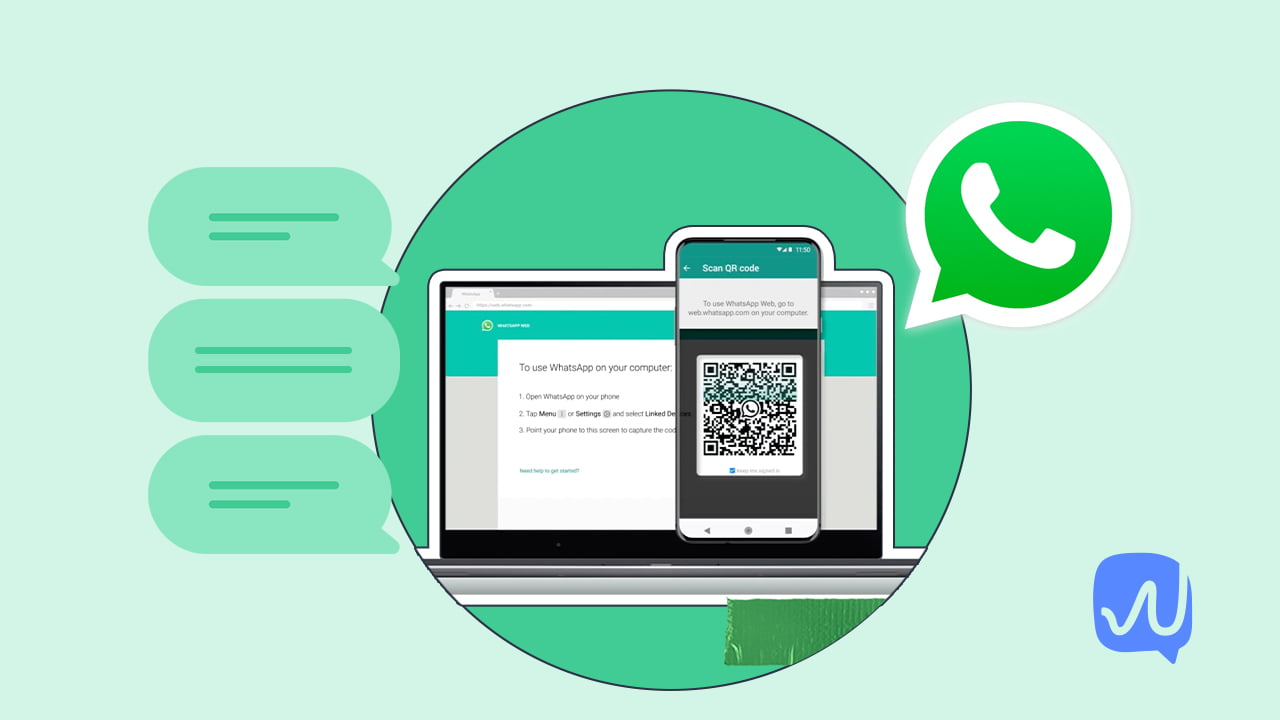
Why use a web-first Phantom wallet for Solana?
Friction kills conversions. Period. Phantom’s web flow lets visitors connect with fewer clicks, which means more people engage. Hmm… that feels obvious, but many teams still gate access behind extensions and native apps. The web method makes wallet discovery easier, which is especially helpful for mobile users who aren’t comfortable installing Chrome extensions.
There’s also consistency. A coherent SDK and a well-documented connect protocol mean dapps behave similarly across sites. Initially I thought every dapp would reinvent the wheel, but there’s a real effort toward standards (wallet adapters and Web3 modal patterns) that helps. That consistency is huge for UX designers and product folks.
On the flip side, web wallets increase the attack surface slightly. That’s not a dealbreaker, though—just something to design around if you handle keys or delegate signing. More on that below.
How the web flow works—fast overview
Connect button. User clicks. A small authentication prompt appears—either an inline popup or a redirect depending on the setup. Wow! The wallet requests permission to view addresses and request signatures. The dapp and wallet exchange messages over a secure channel (usually using window.postMessage or a standardized adapter). Then the user signs transactions or messages as needed.
That’s the simple path. In practice, implementations vary: some embed a redirect that opens the wallet web UI in a new tab, some use a popup. The trade-offs are subtle but important. Popups keep people on the same page; redirects can be more reliable on mobile. On desktop, popups feel snappier.
Security—what to watch for
Don’t ignore phishing. Seriously. Phishing sites often mimic dapps and trick users into signing bogus transactions. My rule: never sign messages that do not resemble transaction metadata, or that request sweeping permissions. Something felt off about a few sites I tried recently—small UI differences, weird copy, odd domains. Trust your gut.
Use transaction previews. The web Phantom prompts show the operations you’re about to sign. Read them. If you see arbitrary program IDs or instructions you don’t recognize, pause. I’m biased toward conservative signing behavior—if unsure, cancel and check on-chain or ask the devs. (Oh, and by the way… keep a small burner wallet for testing.)
For builders: minimize signing prompts. Bundle operations where reasonable. Fewer popups equals fewer accidental approvals. But don’t obfuscate intent—show clear descriptions and metadata for each action.
Integration tips for dapp developers
Pick the right adapter. Phantom supports standard adapters that many SDKs use. Using a well-maintained adapter reduces integration bugs. Really—don’t glue to a private hack when there’s a stable adapter ready. Initially I thought custom integrations would be faster, but they often create weird edge cases across browsers.
Test for mobile redirects. Desktop popups break on mobile. Very very important—test on mobile browsers and within in-app webviews (Twitter, Telegram, etc.). If your dapp will be used from these places, implement a fallback flow that sends users to a friendly wallet page and then back to the app after connect.
Handle connection states gracefully. Users bail when UI quirks happen. If a wallet disconnects unexpectedly, show a clear retry path and reason (e.g., wallet timeout or network error). Also surface the active public key clearly so users know which account is in use.
User tips—getting started safely
Create multiple accounts. Keep a main account for large holdings and a smaller one for day-to-day interactions. Seriously, that isolation saved me once when a dapp signature request went sideways. Back up your seed phrase offline, and never paste it into a webpage.
Enable hardware or multisig where possible. For high-value wallets, require additional approvals. It’s slightly more effort, but worth it. Also: if you see a request to change your wallet settings from a site—reject it unless you initiated the action.
Common problems and quick fixes
Popup blocked? Users sometimes get confused when the browser blocks popups. Tell them to allow popups for your site or provide a redirect fallback. Why does this still happen? Browsers are conservative by default. Also, clear local storage or restart the browser if a stuck session persists.
Stuck signing modal? Refresh and retry. If that doesn’t work, try connecting via an incognito window to rule out extension conflicts. Sometimes other extensions intercept messages and cause weird bugs. Testing in a vanilla browser profile helps isolate the issue.
Developer pitfalls and anti-patterns
Too many prompts. Each signature is a cognitive load. Try to batch operations and explain why you need a signature. On one hand, granular prompts are secure. Though actually, if you overwhelm users they’ll stop reading and just approve everything.
Assuming wallet is always available. Always build graceful failure modes. Offer a read-only experience for users who can’t or won’t connect. That increases engagement and reduces frustration for first-timers.
FAQ
Is the web version as secure as the extension?
Short answer: it depends. The web UI can be just as secure if it uses strong transport security, origin checks, and clear signing previews. However, extensions have a narrower attack surface in some cases. Use good practices: verify domains, check transaction details, and prefer hardware or multisig for large amounts.
Can I use Phantom web on mobile?
Yes. Mobile tends to favor redirect-based flows rather than popups. Test your UX on mobile browsers and common in-app webviews. Offer a fallback button that opens the wallet UI in a new tab and then returns the user to your dapp.
How do I handle multiple accounts?
Expose an account selector in your UI and show the active public key prominently. Let users switch without disconnecting. Also, avoid storing excessive state client-side so account switches are clean and predictable.
Where do I get the web wallet?
If you’re just trying it out, check the official link for the web phantom wallet. Use that as your starting point, and always verify the domain before connecting or signing.
Alright—final thought. The web-first Phantom flow is a real step forward for Solana dapps. It lowers the barrier to entry, improves conversion, and—when done right—keeps security tight. I’m not 100% sold on every default UX choice out there, and some details still bug me, but overall this feels like the practical future for many kinds of dapps. Try it, test it, and keep an eye out for small phishing signals—those are the things that trip people up the most.